Front End Innovation

Medical device development starts with identifying unmet clinical need or business opportunity. This can be done through various methodologies such as User Research, Voice Of Customer (VOC), Job Outcome Constraints (JOC) or contextual innovation. We will help you in questionnaire design, conduct qualitative market research to collect primary data and report findings. This will result into defining User Requirement Specifications (URS) or need criteria at broader level.

Front End Innovation
Concept Development

Concept Development

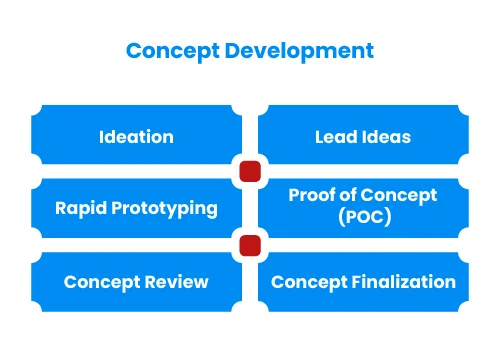
If unmet clinical need or business opportunity is identified then with URS, need criteria would be specified. Idea generation and selection will happen. Lead ideas would be prototyped with proof of concepts (POC) to build confidence for further development. With extensive experience and technical background, we can guide you to select and progress with well-defined ideas through concept development.

Design and Development

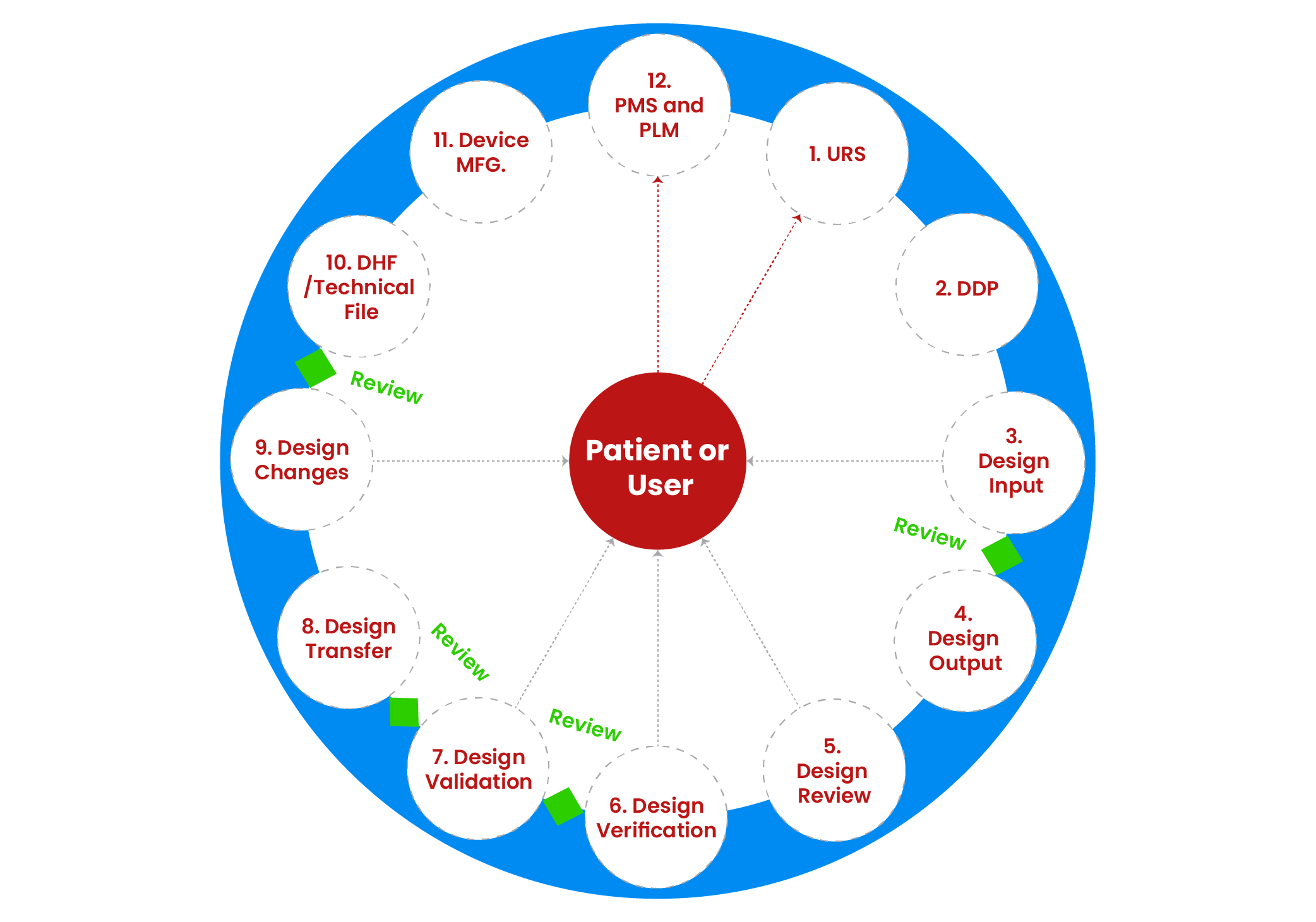
Best ideas or concepts which meets need criteria would be taken further for detailed design and development. With applying Design Controls as per 21CFR 820.30, starting with URS and Design and Development Plan (DDP), then finalizing Design Input Requirements (DIR) and creating Design Outputs and conducting Design Reviews would be done. Technology platform and industrial design would go through several iterations to meet specified requirements. Design Outputs such as drawings, final specifications, test methods and device samples would be generated, reviewed and fine-tuned for further development, verification and validation. This patient-centric medical device design and development process can be summarized and explained with the help of Clock Diagram or Clock Model.

Design and Development
Commercial Manufacturing

Risk Management

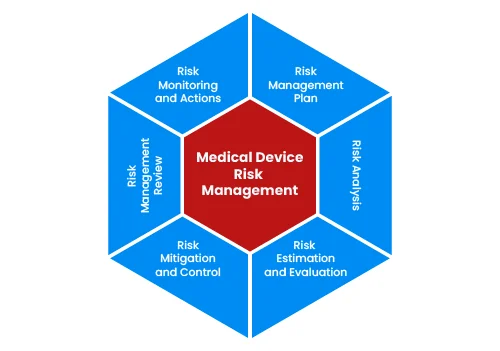
To ensure safety and effective performance of medical device, risk management process as per ISO 14971 needs to be implemented from beginning of the device development. Risk management process includes several risk analysis techniques with systematic approach including but not limited to DFMEA, PFMEA and AFMEA. During the process which starts with RMP, goes with establishing several files such as REE, HIC, MHL concluding with final RMR. We support to conduct entire risk management process. Medical device risk management process can be explained through hexagon diagram.

Medical Device Verification

Medical device verification is an essential and very important stage to ensure design output meets design input. These testing are conducted with creating design verification protocols for performance, aging, simulated shipping studies etc. Applicable ISO standards and regulatory guidelines needs to be followed for demonstrating the compliances. Biological safety assessment as per ISO - 10993 would also be part of it. We collaborate with various labs to fully conduct design verification testing as required.

Medical Device Verification
Medical Device Validation

Medical Device Validation

Medical device validation studies needs to be conducted to ensure device meets intended use requirements. In case of drug -device combination products, studies includes drug -device combination product stability, In -Use stability, applicable clinical or BA/BE, Human Factors Validation or Comparative Use Human Factors (CUHF) and actual transportation studies. We engage with CROs to guide them on performance and usability of the device and lead entire program from device perspective to support them from finalization of study protocols through reports.

DHF Compilation

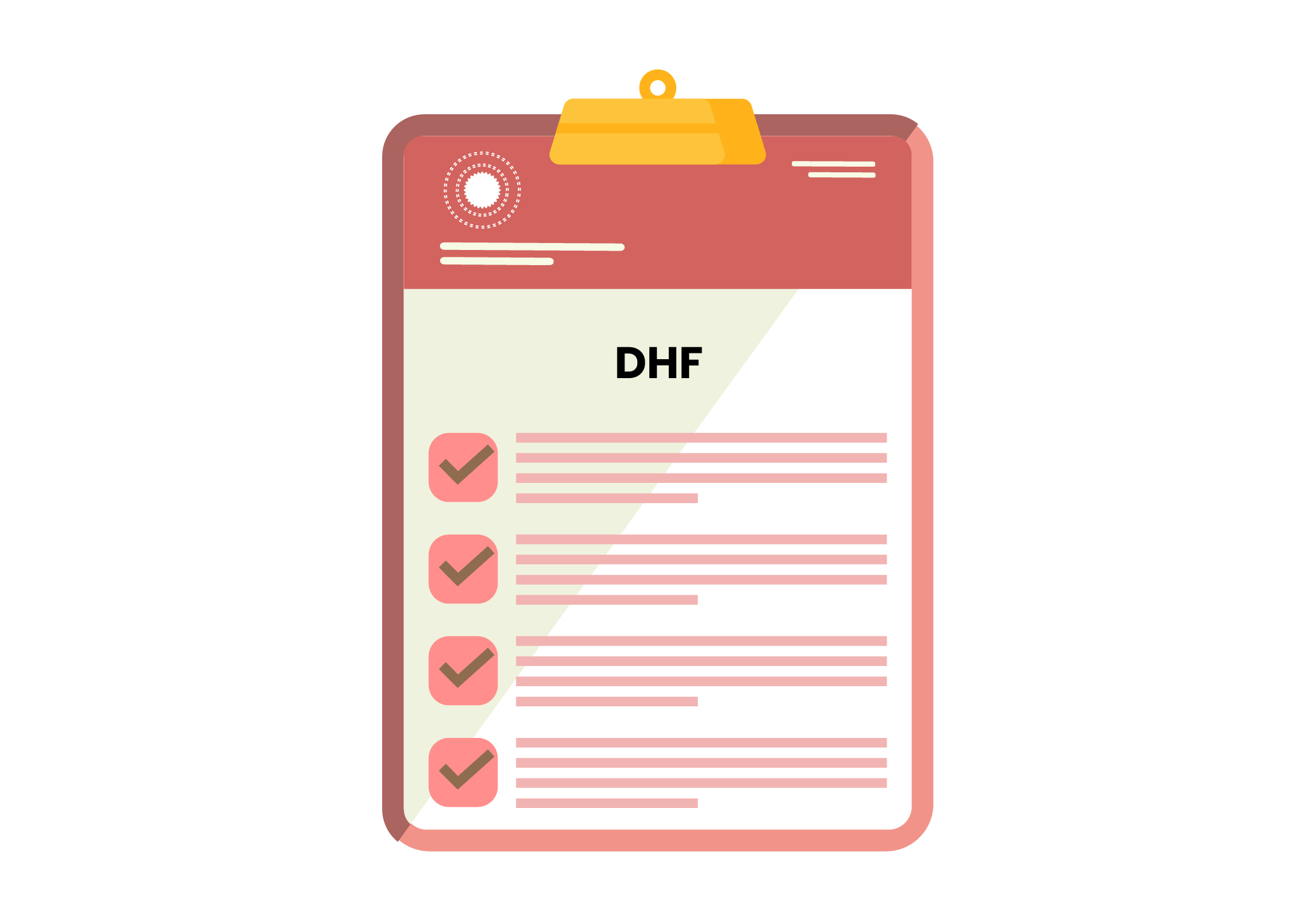
Design History File (DHF) as per 21CFR 820.30 or Technical File compilation as per EU MDR is mandatory requirement set by few regulatory agencies for medical devices. DHF consists of all the documentation including protocols, specifications, technical data sheets, all drawings, design reviews, reports, test procedures, BMR, BPR and records of medical device since first stage of device development to the approval and then its’ periodic updates post commercialization of the product. We support the entire compilation of DHF or Technical File and also periodic updates to those.

DHF Compilation
Regulatory Documentation

Regulatory Documentation

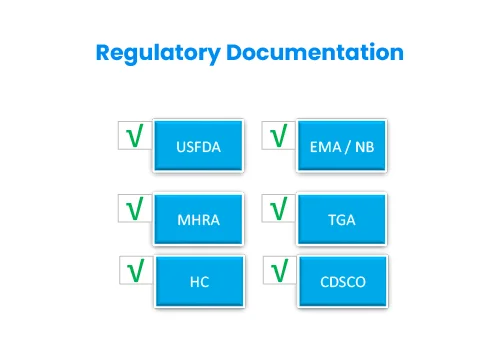
Regulatory filing application needs well -structured documentation and also well -defined regulatory pathway based on type of medical device. Filing could be for medical device or drug as PMOA depending on its intended action. Regulatory pathway and requirements varies based on classification of medical device and it’s intended application. We support to compile documentation as per need for device constituent parts. These documentation packages would be part of NDA 505 (b1), NDA 505 (b2), ANDA, BLA or sBLA, sNDA filing in USA or General Safety and Performance Requirements (GSPR) as per EU MDR Article 117 to submit to Notified Body. It could be part of PMA or 510K or CE Mark application based on type of device.

Commercial Manufacturing Support

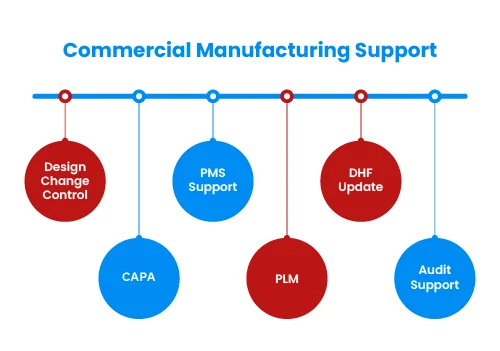
Once regulatory approval of the product is received then next important part for any business is commercial supply. We provide technical support for commercial manufacturing of medical devices or fully finished drug-device combination product. This includes complaint handling, change control review and implementation, CAPA investigation and closure and support to PMS activities. Major design changes would be handled through design controls and DHF would be updated periodically. Release testing methodologies would be updated based on the batch size and for any large scale manufacturing. Support would be provided for technology transfer if the product is required to be transferred to the CMO.

Commercial Manufacturing Support
QMS Establishment Support

QMS Establishment Support

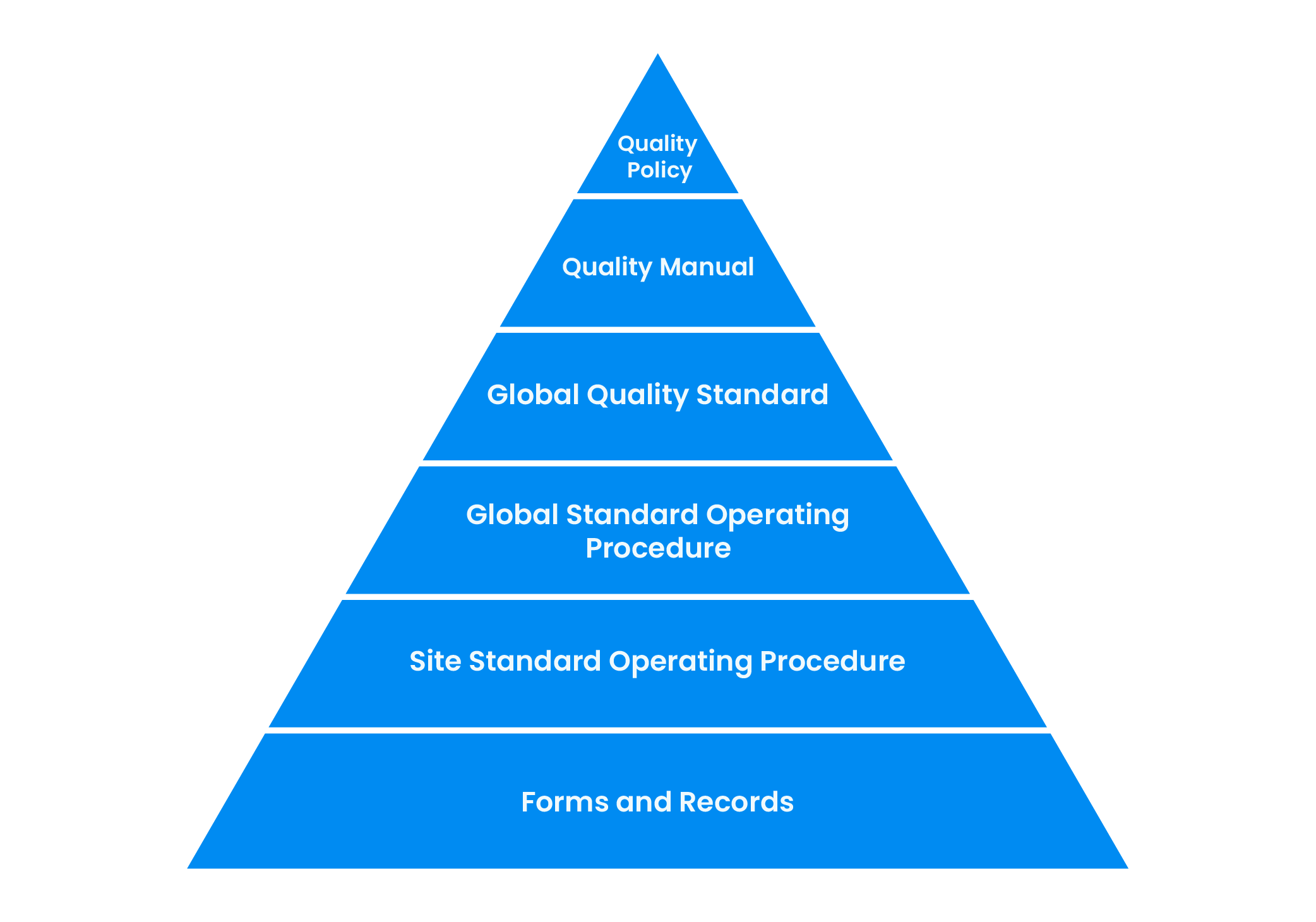
We support to establish Quality Management System (QMS) for medical device development and commercial manufacturing with creating Global Quality Standards and Global Standard Operating Procedures in-line with applicable regulatory and ISO guidelines. Site specific SOPs would be created to define functional role and responsibilities. This QMS will help R&D and manufacturing sites to demonstrate compliance with applicable regulations and ISOs such as 21 CFR Part 4, 21 CFR 820.30, ISO 13485 and ISO 14971. We also train resources from cross functional teams on medical device development process.